
Soil as Teacher: Lessons from the Earth Beneath Our Feet
Soil is not dirt. It is living intelligence, a sacred partner, and the deepest teacher humanity has ever had. Here is what the Earth beneath your feet is trying to tell you.
Disclosure: Some links in this article are affiliate links. If you purchase through them, we may earn a small commission at no extra cost to you. We only recommend resources we genuinely believe in.
I grew up on a farm in Romania.
Not the romanticized kind — the kind where food was not something you ordered or bought in a plastic container. Food was something you worked for, from the ground up. Literally. You tended the soil, you planted the seeds, you waited, you harvested. The relationship was direct and unambiguous: if you cared for the land, the land fed your family. If you didn't, it wouldn't.
That was my first education. Not from a textbook. From the Earth.
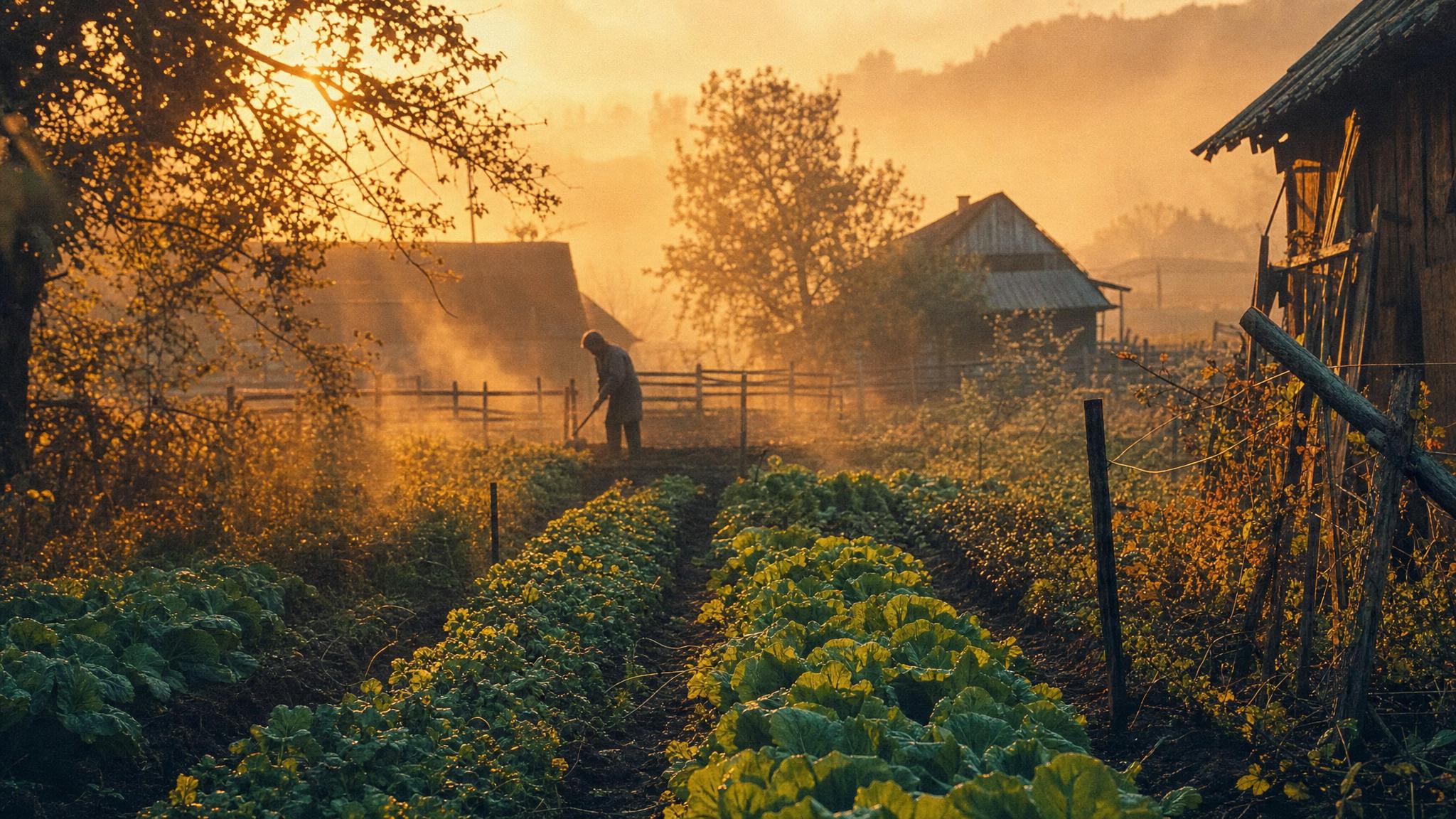
And years later, when I kneeled beside a struggling fruit tree planted in compacted, lifeless soil — watching its leaves curl and pale, its branches stunted, its presence somehow asking for help — I understood in a way no amount of reading could have taught me: soil is not the background of life. Soil is life.
Soil Is Not Dirt
This might sound obvious until you realize how rarely most people think about what's actually beneath their feet.
The average handful of healthy garden soil contains more living organisms than there are humans on Earth. Billions of bacteria. Thousands of species of fungi. Networks of mycorrhizal threads stretching hundreds of meters, connecting tree to tree, root to root — exchanging nutrients, signals, water, and information in a language older than language itself.
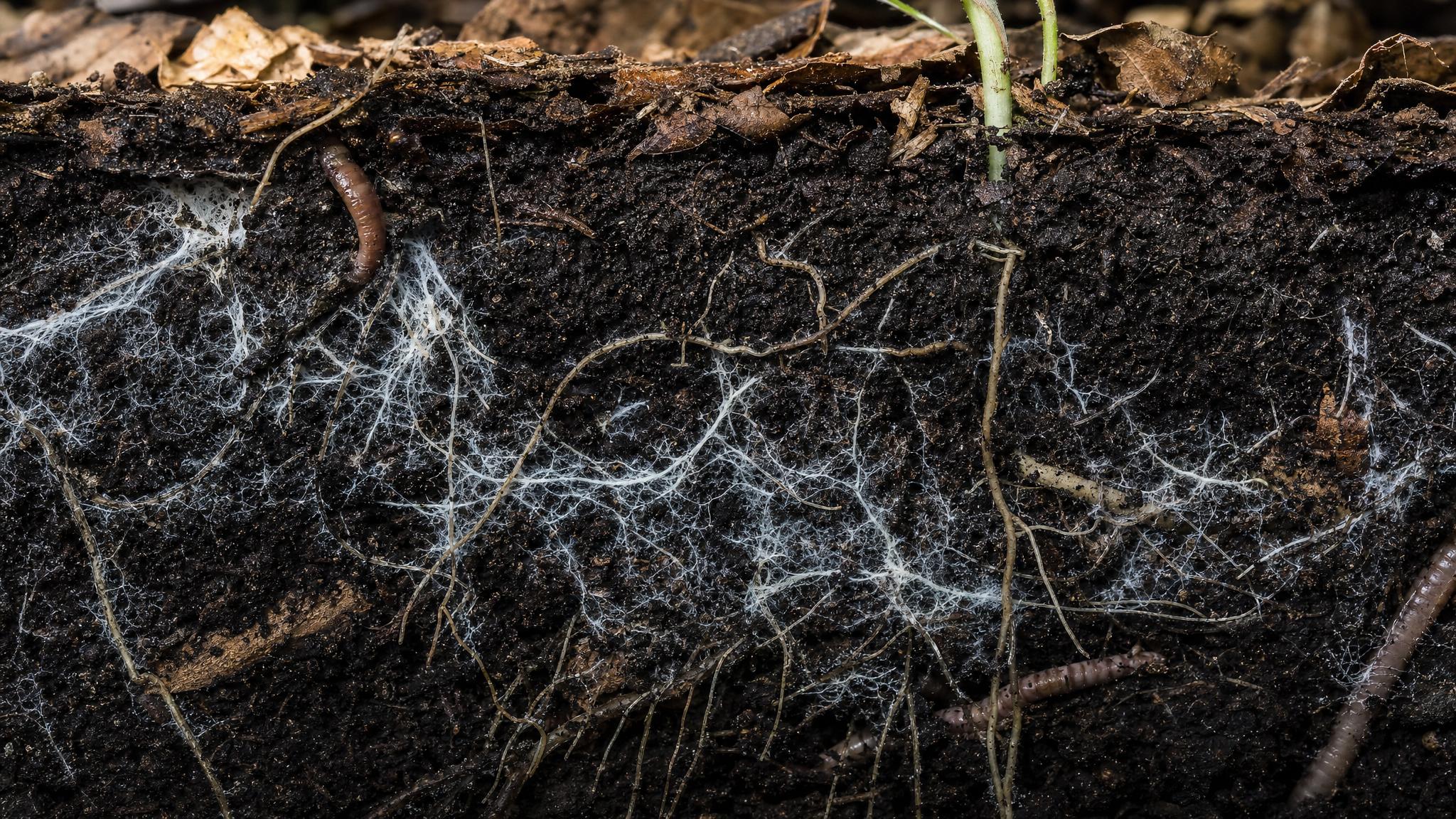
It is not dirt. It is an intelligence system.
At Edenverse, we use specific language when we talk about soil — not to sound poetic, but because the words actually matter. We say living soil. We say earth medicine. We say underground intelligence. We say mycorrhizal network, Mother Earth, Mother Gaia. These are not metaphors. They are descriptions.
Soil is one of the reasons Earth is rare. We have searched the cosmos and found no other planet where living soil, water, air, plants, fungi, microbes, and elemental systems cooperate to create the conditions for life the way they do here. That is not something to walk over without thought. That is something to tend with reverence.
The Deepest Lesson: Reciprocity
Here is what decades of industrial agriculture have inadvertently taught us.
When you extract from soil without giving back, soil gets sick. When soil gets sick, food gets weaker. When food gets weaker, humans get sicker. The chain is direct and inescapable: without healthy soil, there are no healthy humans.
For too long, our relationship with soil has been extractive. We have pushed it to produce more while giving back less. We have poisoned it with chemicals to kill the weeds and the pests — not realizing we were also killing the microbial communities that create fertility in the first place. We have compacted it with heavy machinery. We have stripped it bare and left it exposed to wind and rain.
And the land has responded. Degraded soil across the planet. Dust bowls where once there were prairies. Depleted fields that need more and more synthetic input each year just to maintain a fraction of what they once produced naturally.
The lesson soil is trying to teach us — through consequence, for generations — is reciprocity.
Give the soil what it needs. The soil will give you back what you need. This is not a metaphor. It is the cycle that every civilization that lasted more than a few centuries understood intuitively. We forgot it. We are being reminded.
"Through regeneration, we give to the soil what it needs, and the soil gives back what we need. That is a cycle that keeps overgiving."
What Actually Lives Down There
The moment I truly understood that soil was alive happened with a compost pile.
I was watching — really watching, with patience — as leaves, sticks, kitchen scraps, and organic matter broke down over weeks and months. They softened. They darkened. They transformed. What they became was not garbage. It was soil. Rich, dark, structured, alive soil.
Under a microscope, a teaspoon of living soil reveals an entire world: bacteria processing nitrogen, fungi dissolving minerals, protozoa consuming bacteria, nematodes hunting protozoa, earthworms aerating the structure, roots secreting sugars to attract microbial partners. Every element is in relationship with every other. Nothing is isolated. Nothing is wasted. Everything cycles back.
This is the soil microbiome — and it is the living mechanism that holds the whole system together.
Fungi deserve special attention. Mycorrhizal networks — the fungal threads linking plant roots across large distances — are essentially the internet of the forest. Trees that are thriving share sugars with trees that are struggling. A tree being attacked by insects can send chemical warnings through the fungal web to neighboring trees, which respond by producing defensive compounds before the insects arrive. This is happening beneath every healthy forest and every regenerative garden — right now, without us knowing.
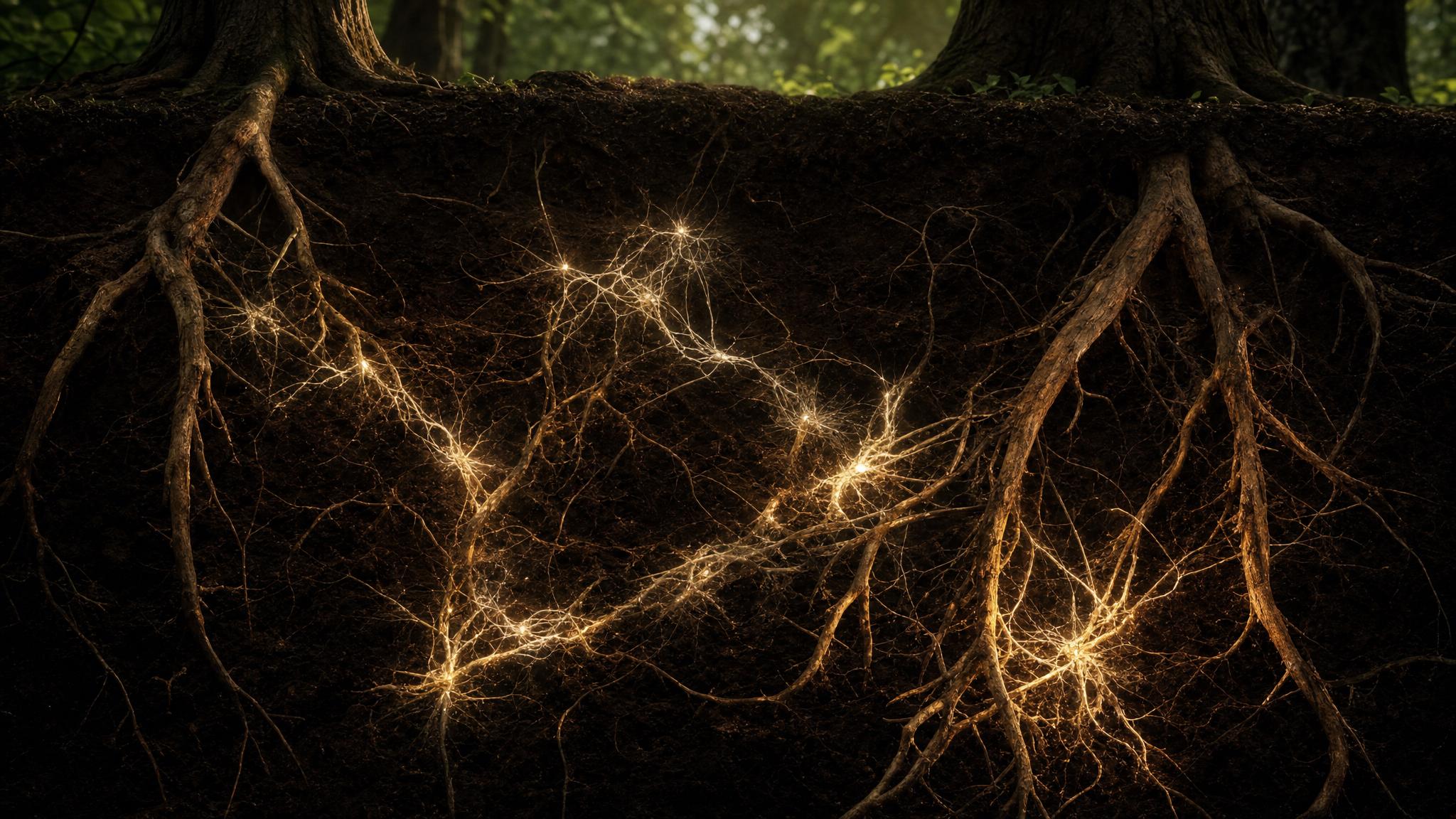
When we understand this, we understand why disturbing soil too much causes harm. Underground, it is not just dirt. It is home — for communities of life as complex and interconnected as anything we see above the surface. When we recklessly till, compact, or poison that world, we are evicting an ecosystem. Sometimes it recovers. Sometimes it gets worse. We must act with awareness.
The Fruit Tree That Told Me Everything
A few years ago I worked with fruit trees growing in compacted, depleted soil.
You could see it without any test or analysis. The branches were stunted. The leaves were pale and curling. The trees had almost no fruit, and what fruit there was had no real flavor. The trees were communicating — through every visible signal they had — that something was wrong.
Trees cannot speak with words. But they speak with everything else: their leaves, their growth patterns, the color of their bark, the number of blossoms they produce, the fruit they offer or withhold. When you slow down and observe, you begin to understand what they are saying.
These trees were asking for help. Specifically: healthier soil. More microbial life. More nutrients around their roots. More structure, less compaction. The analogy that became impossible to ignore: soil is for trees what food is for us. What you feed a tree through the soil is precisely what allows it to be healthy, strong, and productive. Give a tree compacted, depleted, lifeless soil, and you are essentially feeding a living being nothing but empty calories.
So we began. Compost around the base. Mulch over the compost. In the most depleted spots, specific minerals and microbial inoculants. And then the hardest part: patience.
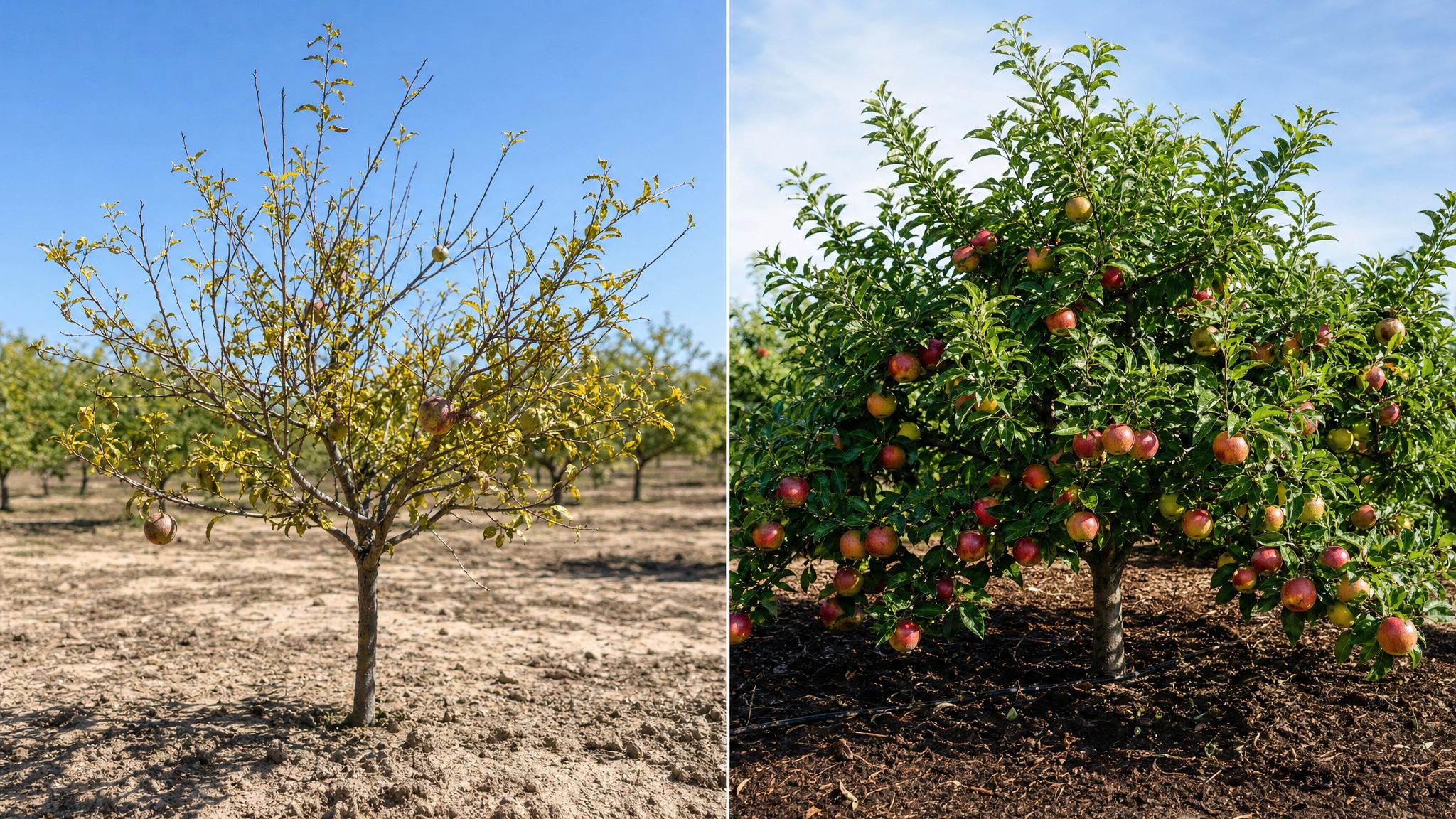
Nothing happened quickly. The transformation was measured in months and seasons, not days. But it happened. Over time, the leaves became fuller and greener. The branches reached outward again. And then the fruit came — abundant, juicy, deeply flavorful in a way that store-bought fruit almost never is, because it came from living soil and living roots that had what they needed.
That process taught me something soil is always trying to teach: the fruits of labor come with patience, discipline, trust, and knowing that you are doing the right thing even before the results are visible.
In a culture that expects instant outcomes, that is a radical lesson.
How to Read Your Soil
You do not need a degree or expensive equipment to begin understanding your soil. You need observation.
Start by identifying what you have. Healthy soil tends to be dark brown to black, soft to the touch, slightly moist, and structured — it holds together when squeezed, but crumbles when disturbed. It smells alive. That earthy scent is produced by actinomycetes bacteria — a literal fragrance of soil health. When you dig a small hole, you should see worm activity, decomposed organic matter, and visible texture and diversity.
Degraded soil often appears pale gray, dry, hard, and compacted. It repels water instead of absorbing it. It cracks when it dries out. It resists your finger. It feels lifeless because, to a significant degree, it is.
If you want specific data, use a soil test. Affordable soil testing kits are available online for a few dollars. They can tell you your soil's pH, nitrogen, phosphorus, and potassium levels — giving you a clearer picture of what's missing before you start adding anything.
The Edenverse Soil System
Here is the honest truth: healing soil does not require expensive products, complex systems, or horticultural expertise. Nature has been building and rebuilding soil for hundreds of millions of years using a very simple process — layer organic matter, let organisms process it, protect the surface, repeat.
We can speed that process up. For most situations, here is what I recommend:
Step 1: Add 2–4 inches of compost. Compost is decomposed organic matter — the most powerful soil amendment you can give because it brings microorganisms, nutrients, structure, and water retention all in one. Make your own from kitchen scraps and garden waste. Buy it if you need to. Spread it over your soil surface.
Step 2: Add 2–6 inches of mulch over the compost. Wood chips, straw, shredded leaves — any organic mulch layer. This protects the compost from drying out, suppresses weeds, regulates soil temperature, and slowly breaks down into more organic matter over time.
Step 3: Water it in.
Step 4: Repeat every 2–3 months.
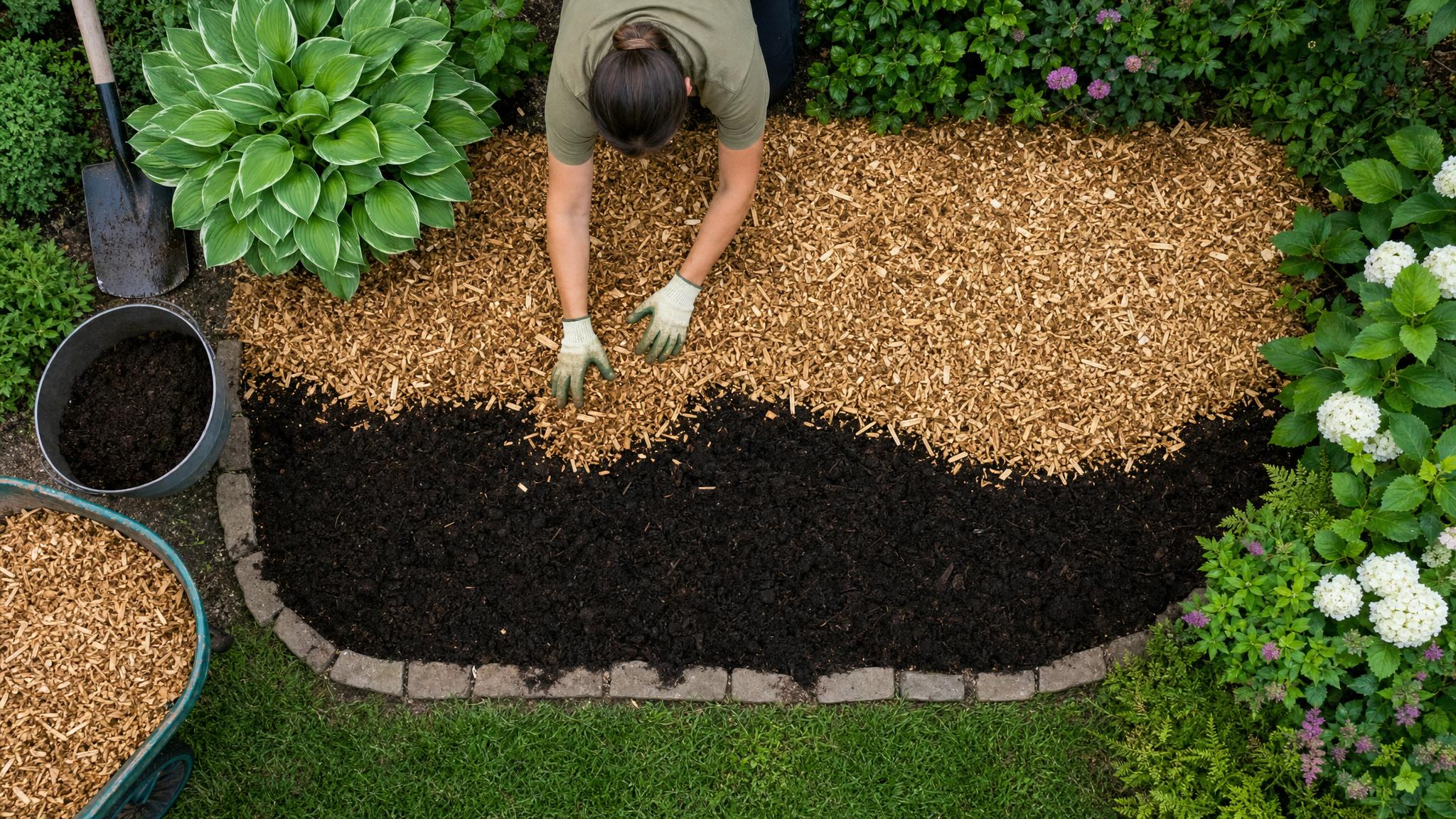
That is the complete system. I have seen this transform completely dead, compacted, lifeless soil into dark, rich, biologically active ground in under a year. The magic is not the specific products — it is the consistency and the patience. You are feeding an ecosystem. Feed it regularly, protect it, disturb it as little as possible, and it will reward you beyond what you would expect.
For more severe cases — extremely compacted or chemically depleted soil — you may want to add specific minerals, fungal inoculants, worm castings, or biochar. But start with the basics. Most soil problems respond to the compost-mulch-water system more than people realize.
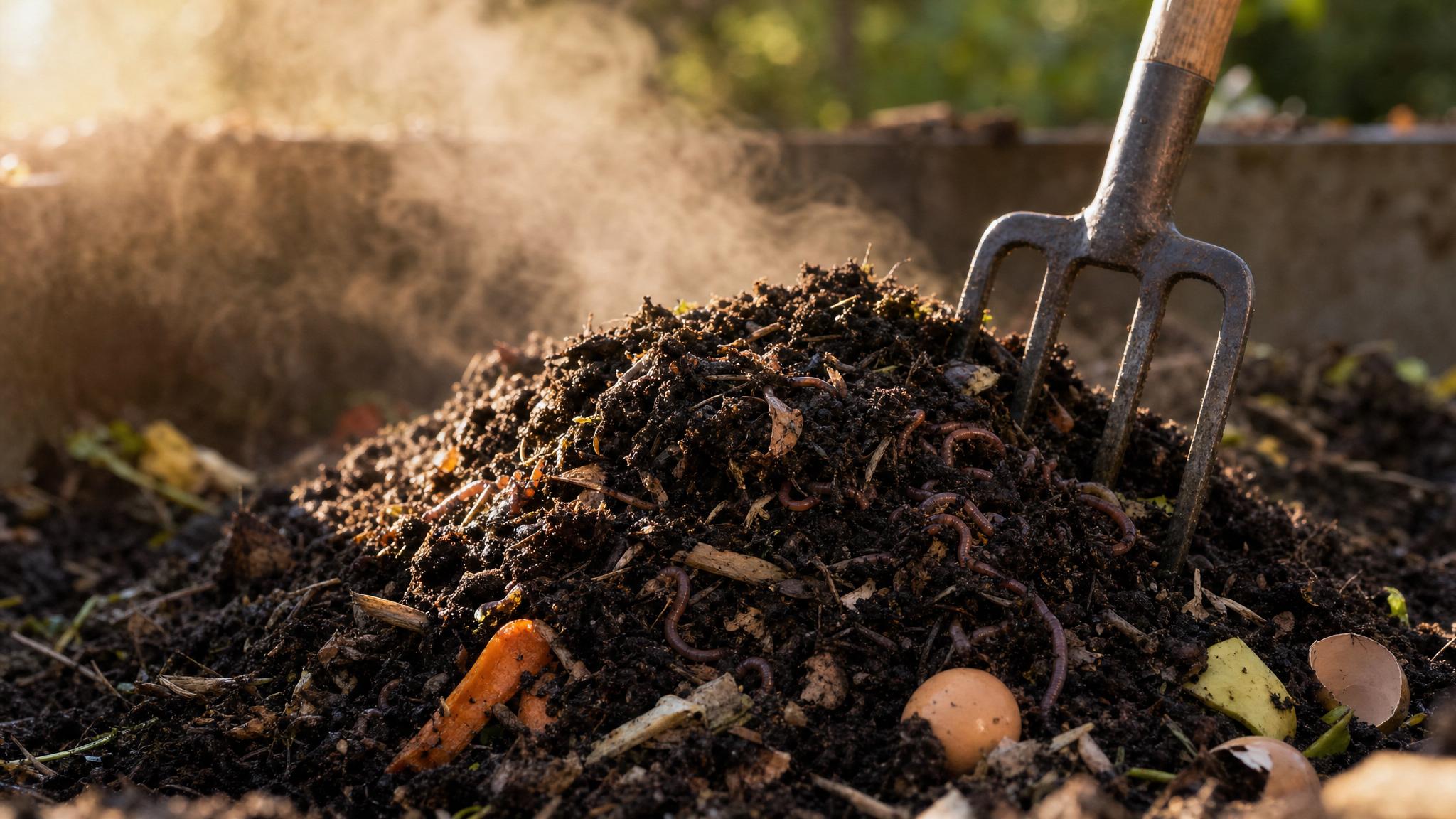
The rule of thumb: compost, mulch, water, repeat. Do this for one year and you will not recognize your soil.
Recommended Resource
The Self-Sufficient Backyard System
Paul Wheaton and Shawn Klassen-Koop's complete guide to creating abundance from your own land — soil, food systems, water harvesting, and regenerative design for any yard size.
Learn More →What Soil Teaches Us About Community
The mycorrhizal network beneath a forest is one of the most sophisticated communication and resource-sharing systems we have ever discovered in nature.
Trees that are thriving share sugars with trees that are struggling. Older "mother trees" send extra resources through the fungal web to seedlings growing in low-light conditions — supporting the next generation until they can stand on their own. Dying trees release their stored nutrients back into the network before they fall, giving everything back to the community.
This is not metaphor. This is documented, observed biological behavior.
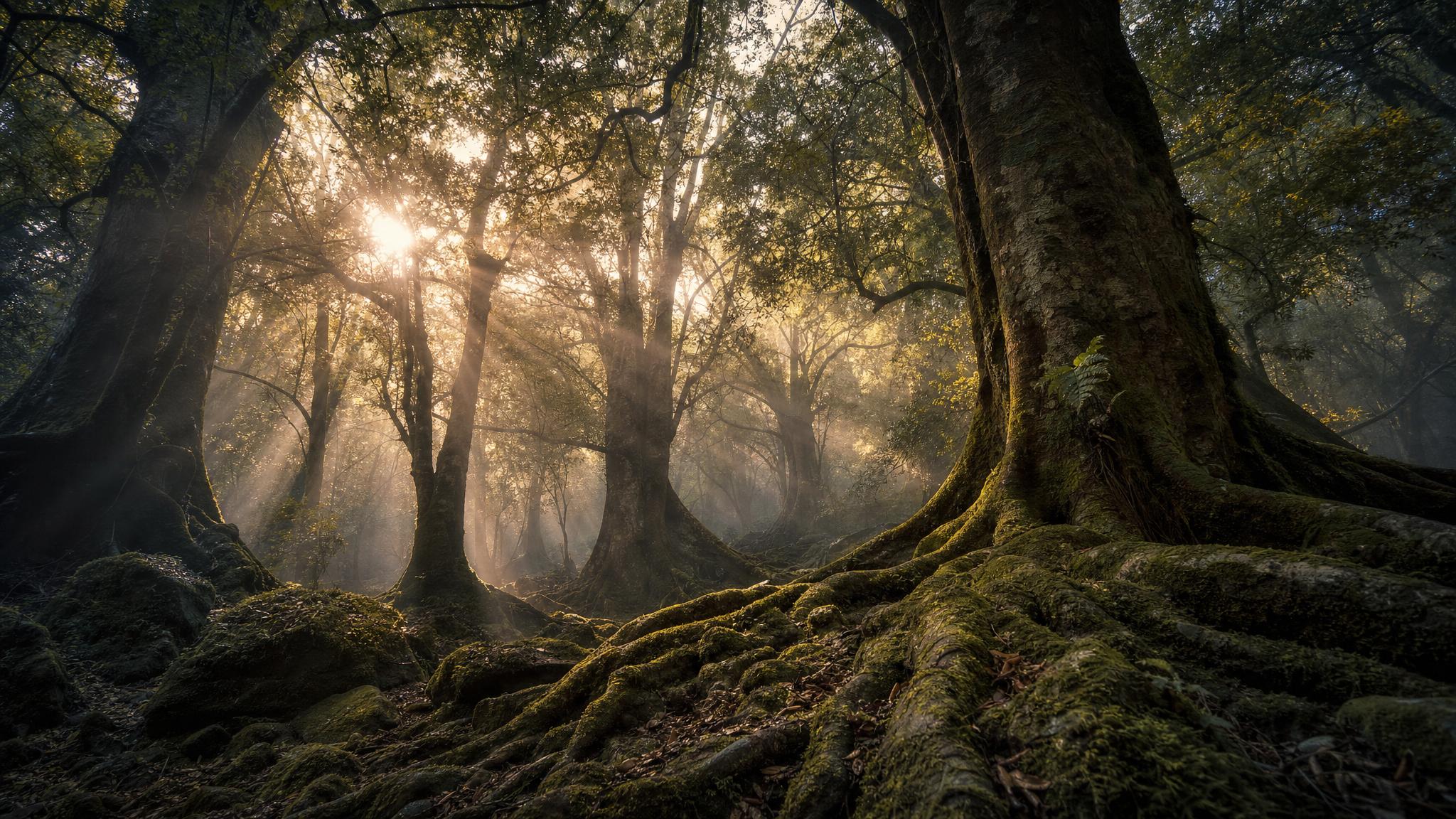
And when I look at it, I cannot help but see the same pattern everywhere: a single tree provides some shade and some fruit, but a forest creates an ecosystem that sustains many beings across many generations.
Human communities are no different. We are stronger, more resilient, and more capable of real abundance when each person contributes toward the greater good rather than extracting for themselves alone. The mycorrhizal network is not competing. It is cooperating. That is why forests are more stable than monocultures. That is why communities are more resilient than isolated individuals.
Soil has been here before any of us. It will be here after all of us. We are, in the deepest sense, temporary stewards of something that belongs not to us but to all the generations who will come after.
"If you want to go fast, go alone. If you want to go far, go together."
Grow Healing Plants in Your Living Soil
Once your soil is alive, the next step is putting it to work growing food and medicine. Healing herbs — many of the same ones used for centuries in traditional medicine — thrive in living soil and will reward every layer of compost and mulch you invest.
Recommended Resource
Backyard Healing Herbs
A complete guide to growing, harvesting, and using medicinal herbs from your own backyard — the perfect companion for anyone building living soil and a regenerative garden.
Learn More →Your First Step
The shift from extraction to reciprocity begins small. It begins in your backyard, on your windowsill, in your kitchen with a compost bucket and a handful of seeds saved from last week's tomatoes.
Start there. Start now.
Plant some seeds. Begin a compost pile. Leave the leaves where they fall. Mulch something. Slow down and observe what already lives in your soil. Learn to listen.
The soil is already teaching. The only question is whether we are paying attention.
Join the Grow Your Own Eden movement and receive our free regenerative garden starter guide — composting from scratch, soil reading, seasonal planting, and the first steps toward your own Eden of abundance.
The Earth has been waiting for us to come home to her. She is patient. She always gives back more than we offer.
All she asks is that we show up and tend.
Download the Eden Backyard Starter Kit
Everything you need to transform your backyard into a productive system — free.
- Complete garden layout plans
- Seasonal planting schedules
- Soil preparation guides
- Water-saving techniques
- Natural pest control methods
Free — no credit card required